

I come from a very large, very specific kind of family.
We’re part of a Swedenborgian community outside of Philadelphia. It’s an intentional religious society, kind of like Amish or Mennonite, and it’s actually one of the oldest intentional communities in the United States. My great-great relatives, on multiple sides of my family, came to the U.S. searching for religious freedom and established this society.
It’s a place called Bryn Athyn.
I didn’t grow up there, but I spent summers there, and most of my family is still connected to it. It’s incredibly beautiful, like, achingly beautiful. The land is preserved, there are forests around the Pennypack watershed, and my relatives built these really magnificent churches and cathedrals, which are still maintained with incredible gardens.
There’s this idea in Swedenborgian philosophy, at least the way I experienced it, that beauty on earth glorifies God. I don’t consider myself Swedenborgian at all, but that principle stayed with me. That creating beauty is a purpose.
My family is huge. Five children is not the exception, it’s the rule. I’m one of five, and I have something like seventy first cousins. On my dad’s side there were fifteen siblings, on my mom’s side eight, and many of them had five kids each.
It’s not that they don’t believe in birth control, it’s just that they do believe in having a lot of children.
My parents both came out of that world, but they moved to Austin, TX because it was kind of a hippie boomtown at the time. Friends were going, it was affordable, it felt like an adventure. You could also rent a 3-bedroom house for almost nothing. So they went.
My parents were both artists, though I think my mom would only say that now, in her seventies. At the time, she had five kids, so she didn’t identify that way. But she was always making something, sewing, quilting, drawing, crafting. It never stopped.
My dad was a craftsman. He was a contractor, but he specialized in restoring old houses, historic homes, which in Texas just meant older than about seventy years. He was also the gardener in the family. He was always building, always inventing.
We grew up very humbly. Solidly working class, but very resourceful. Five kids is a lot, and my dad was essentially a woodworker for most of my childhood while my mom mostly stayed home, though she was always doing something to contribute.
Everyone we knew made things.
We didn’t know people with jobs. We had one family friend who worked as a bank teller, and that was the closest thing. Otherwise, everyone was an artist or a craftsperson. I didn’t know anyone who went to work clean and came home clean. Everyone went to work clean and came home dirty.
School in Texas was….abysmal. Both abysmal and pretty scary. I dropped out in ninth grade.
I just wasn’t interested in the religious schooling option back East that my siblings went to, and I wasn’t interested in staying in public school either. I was very much going my own way. I didn’t really care for the religious aspect at all, and I just knew that wasn’t for me.
But I was really lucky in one way.
I started working very young for these two sisters who had a tiny gourmet salad dressing company, and they taught me everything. They brought me into conversations, into decisions, they treated me like I was part of it. And looking back, that was huge.
At that age, your brain is just a sponge. You don’t really understand the future, but you can absorb everything. And they just started teaching me things, how to run a small business, how to think about entrepreneurship, and how to make decisions.
I didn’t realize it at the time, but that experience gave me this confidence that starting a business is just something people do.
So when I moved to San Francisco during the dot-com boom, I said yes to a job because someone offered me $17,000 a year, and I thought that sounded unbelievable. I had never made that kind of money.
When I showed up, I didn’t even know how to use email. A friend had to show me how to turn on my computer and explain the difference between our intranet and the internet. I knew nothing.
But at that time, no one really knew anything. Everything was being invented.
If you could show up, if you dressed the part, if you were articulate, you could get hired. And I kept getting hired. I had a nice outfit, so I kept getting jobs.
I don’t know if I produced any real value, honestly. But I learned a lot.
At one point, I was managing a database and I just started changing things because it seemed like it would work better. My boss walked in and asked what I was doing, and I explained my reasoning, and he agreed. That’s how I started participating in designing software, which I was completely unqualified to do.
But again, no one really knew what they were doing yet.
What I did get was exposure. I was suddenly around people who worked in offices, who had careers, who lived completely differently than anyone I had ever known. I hadn’t traveled, I hadn’t seen great art in person, I hadn’t been to museums. We went to the Grand Canyon once when I was young, and we had a Van Gogh book and a Picasso book at home, that was it.
So it was like being dropped into a completely different world.
And all of that stayed with me.
I remember calling my younger brother, who was back in Pennsylvania, and telling him, “I think something’s happening here, you should come.” And he did.
And at a certain point, all of us, all my siblings, were living in the Mission in San Francisco. We were kind of terrorizing the Mission District for a while there.
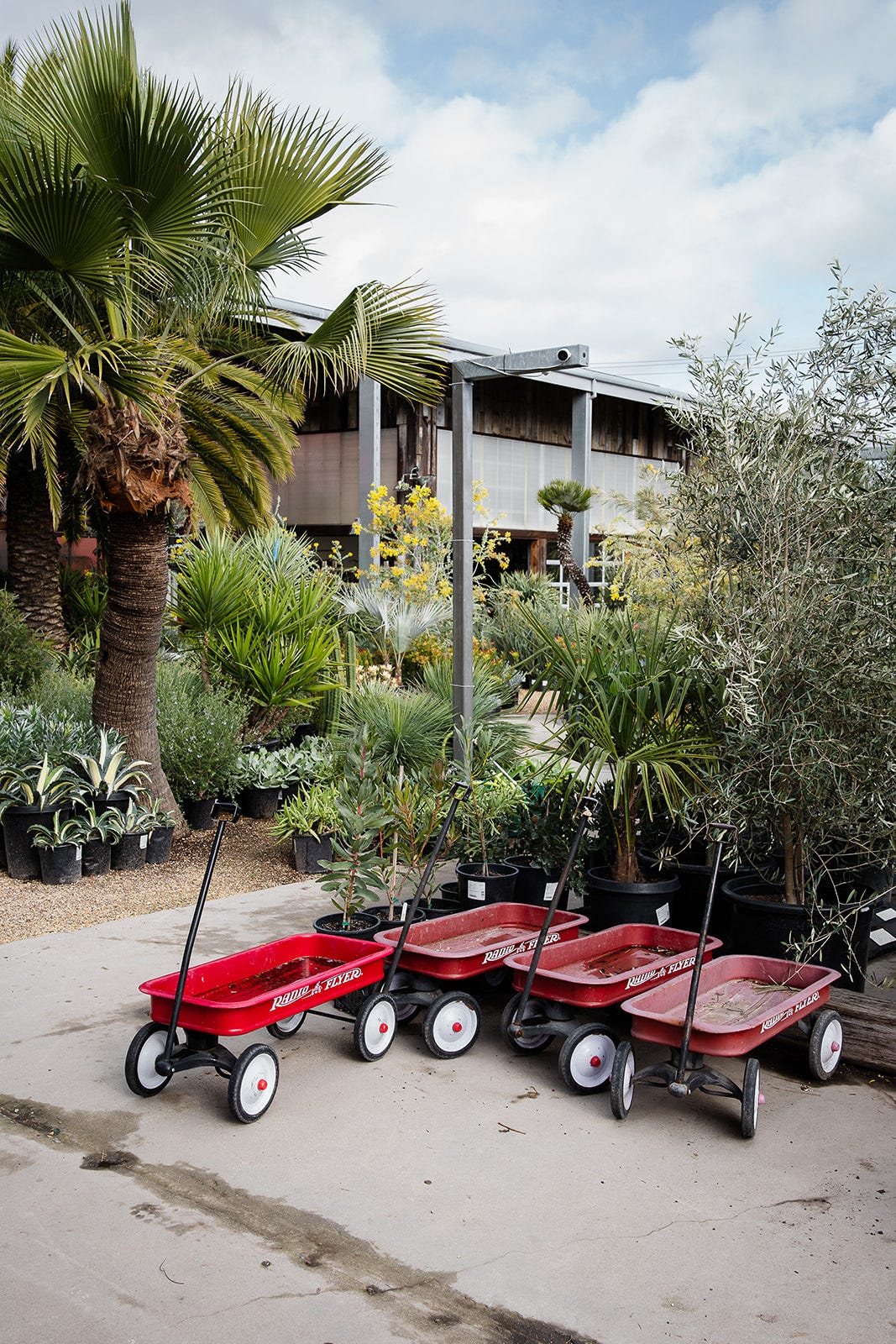
By the time I started my nursery, it felt obvious to me that we should have a website. That wasn’t the norm yet, but I had that knowledge from being in tech. But more than anything, I had this sense that you could just figure things out.
I think a lot about young people now, because I have a teenager. I always want to tell them: you have to just soak up everything you can right now. Your brain won’t always be like this.
And also, you have a window where you have nothing to lose. That window is limited. It ends.
You will have responsibilities, and you will not have nothing to lose one day. So when you’re in that phase, you should really just do whatever you want. And I don’t mean that from a place of privilege, I mean that from a place of scrappiness. You can survive on very little if you need to.
I think we’ve really confused people with this idea that you need to find your passion. I don’t believe that passion is some precious diamond hiding somewhere that you discover.
I think passion is much more like a garden.
You invest a little, and you get a little. Then you invest more, and you get more. And over time, it becomes something that can hold your attention and your energy.
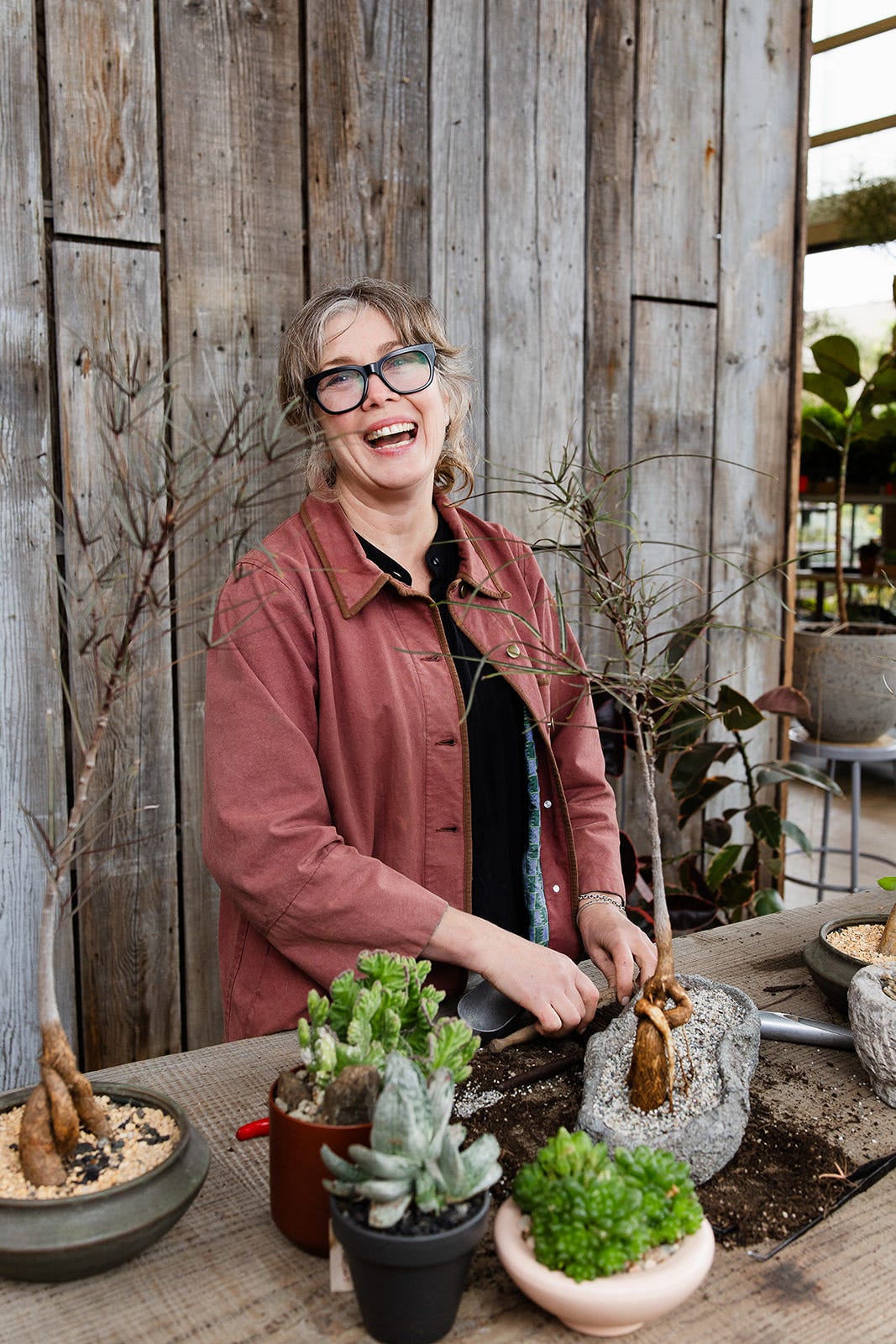
You know, of course, I joke that it was a foregone conclusion that I would be a gardener, my name is Flora, but I could have done all kinds of things. There are all kinds of things that I love. I draw and paint and sew. I love people. I’m really interested in psychology, I read psychology textbooks as a hobby.
There are so many things I might have done.
That’s always my big agenda with people in their 20s and 30s, I just want to encourage them that whatever they’re doing, just go hard. Get everything you can out of the experience. When you’re young, you don’t really realize how everything you’re learning is culminating into something, but it is.
My favorite employees are the ones who come in and use being in the store as their own personal learning lab. Why wouldn’t you?
For me, of course, gardening became that thing.
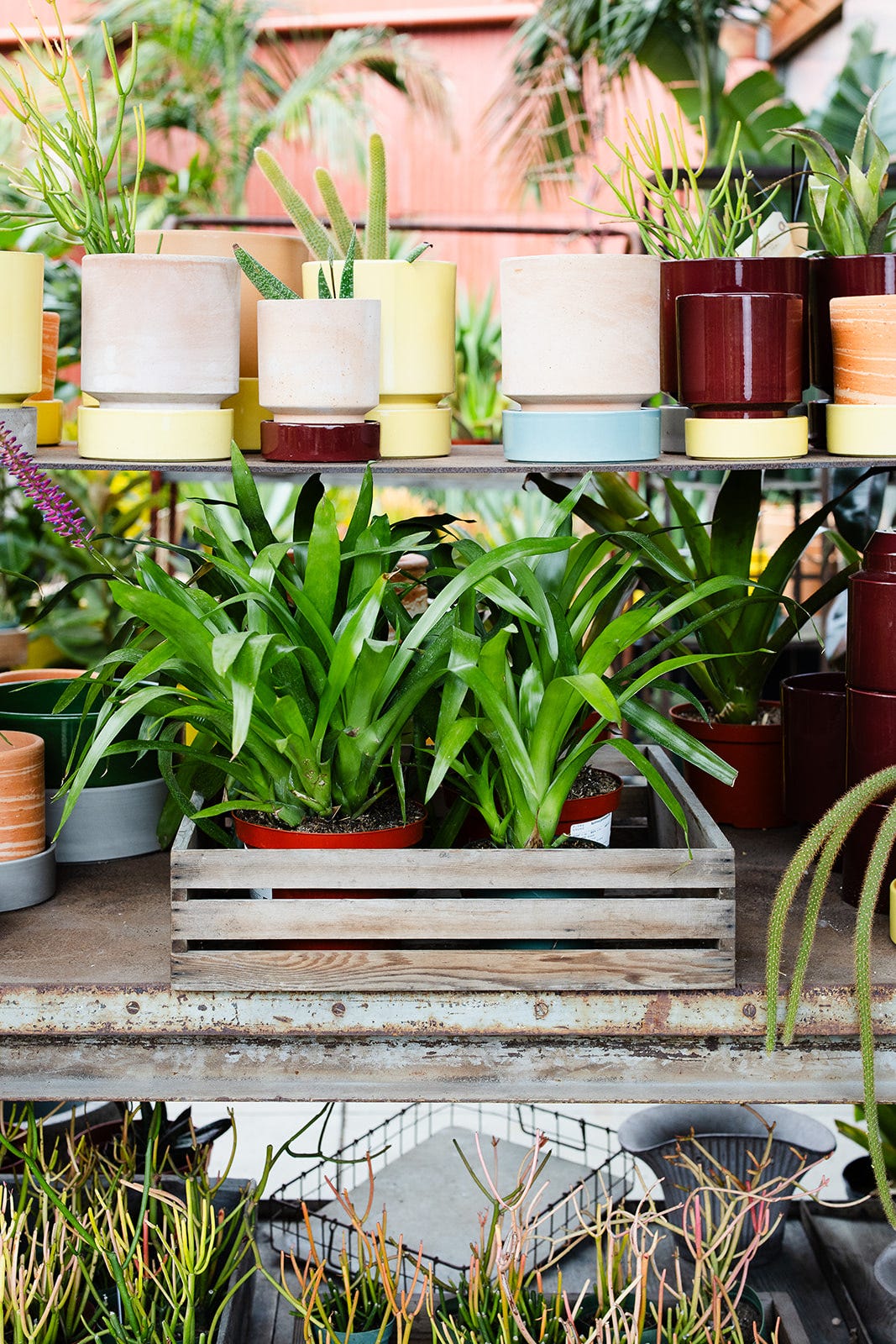
And what gardening teaches, if you’re willing to let it, is the truth of impermanence.
Anything that is born will die. Every plant, every tree, every person. We are all here briefly, and then we’re gone.
And that’s something our culture really struggles with. It’s very youth-oriented, very focused on preserving, extending, denying that reality.
But in a garden, you can’t deny it.
You watch things grow, and then you watch them fade. And that’s not failure, that’s the cycle. There’s a beauty in that, if you can accept it.
For me, that’s a deeper principle in my life. To make peace with that truth, instead of resisting it. Because even a long life is short. And that changes how you think about your time.
It makes me feel like, Invest your energy and do what you want to do. Because it will come back to you in some form, even if it’s not the form you expect.
Being a merchant, a maker, being someone who works with their hands, is a fairly humble existence. It always has been, and it still is. I feel incredibly lucky to have done what I’ve done, and I wouldn’t trade it for anything. But it also means you stay very close to reality in a way that people don’t always see from the outside.
There’s a group of people making a lot of money right now, and they’re not people working with their hands.
And I think in a place like San Francisco especially, so much of what we love about this city comes from these kinds of small businesses - people making things, preserving craft, creating goods by hand. And if that’s the kind of city we want to live in, then it’s important to participate in it. To shop, to support, to appreciate the work behind what’s being made, because those choices shape the kind of place this is.
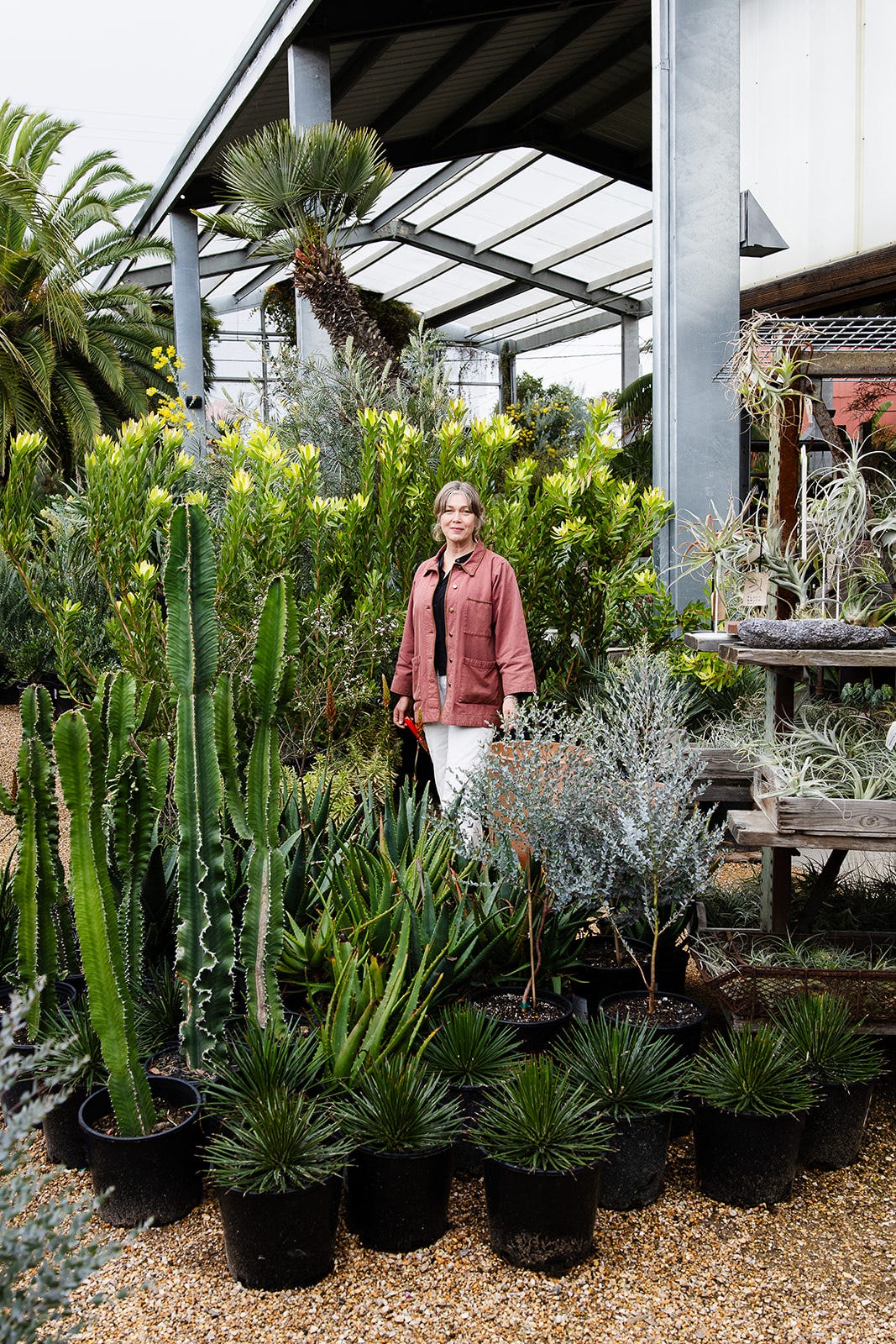
Flora Grubb, Flora Grubb Gardens
This piece was edited for length and clarity.
Photography by Lila Gray Photography
Flora is fantastic for sure!