

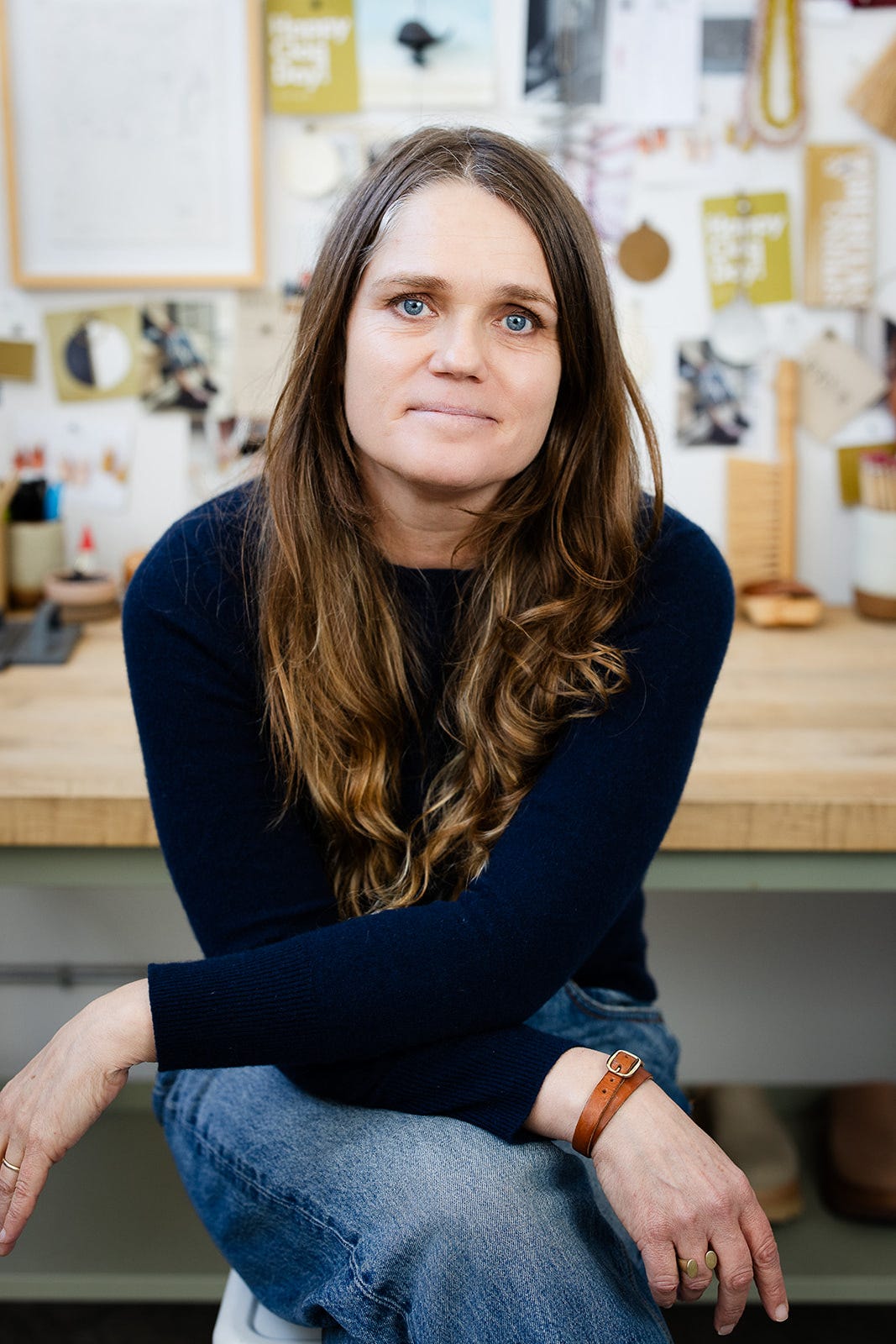
One of the gifts of getting older is that the noise starts to fall away.
Part of this, for me, came from growing up with the very British expression: “too big for your britches.” It was a warning. Don’t reach too far. Don’t think too much of yourself. Don’t want more than what’s been handed to you. And certainly don’t say it out loud. Wanting things, visibly, unapologetically, was almost embarrassing. You learned to make yourself smaller before anyone else could, to downplay your own desires, and to assume limits.
For most of my life, I pedestalized my dreams. Things to admire from a distance, but not things I could actually have. I would say, Wouldn’t it be nice to travel more? Someday, maybe… as if those desires belonged to another, braver, luckier version of me.
I took a course that asked a simple question: What do you actually want?
For the first time, I stopped pedestalizing the answer. I stopped treating my dreams as distant, untouchable ideals and started seeing them as what they really were: preferences. Choices. Directions.
It wasn’t dramatic. It was quite simple.
One, I want a cozy home and a close group of friends where I feel like I belong.
Okay. That’s doable.
Not someday. Not in another life. In this one.
Saying it out loud, clearly and unapologetically, changes everything.
Now, in my 50s, I can see how much of that hesitation, that internalized restraint, was inherited. Cultural. Generational. It’s wonderful to get to an age where you allow yourself to name what you want without apology. To stop bracing for someone to put you back in your place. To realize there was never anything wrong with naming your desires and going for them.
I started Bryr out of my living room, 100% bootstrapped, with $20,000 from my retirement savings. I told myself that if I ever dropped below that, I would stop, but I never did.
At one point, I had, like, $3 left in my bank account. I thought, What am I doing? At the same time, I was struggling to find production. People wanted the clogs, but I couldn’t find anyone who could make them to the quality I envisioned. My girlfriend at the time, now my wife, was incredibly supportive. Eventually, I realized that what I was looking for was right in front of me, that I should make the clogs myself! So I sourced the materials and taught myself how to make them. There was a lot of trial and error in the beginning, but eventually I made them in larger quantities, and ultimately I needed a bigger space.
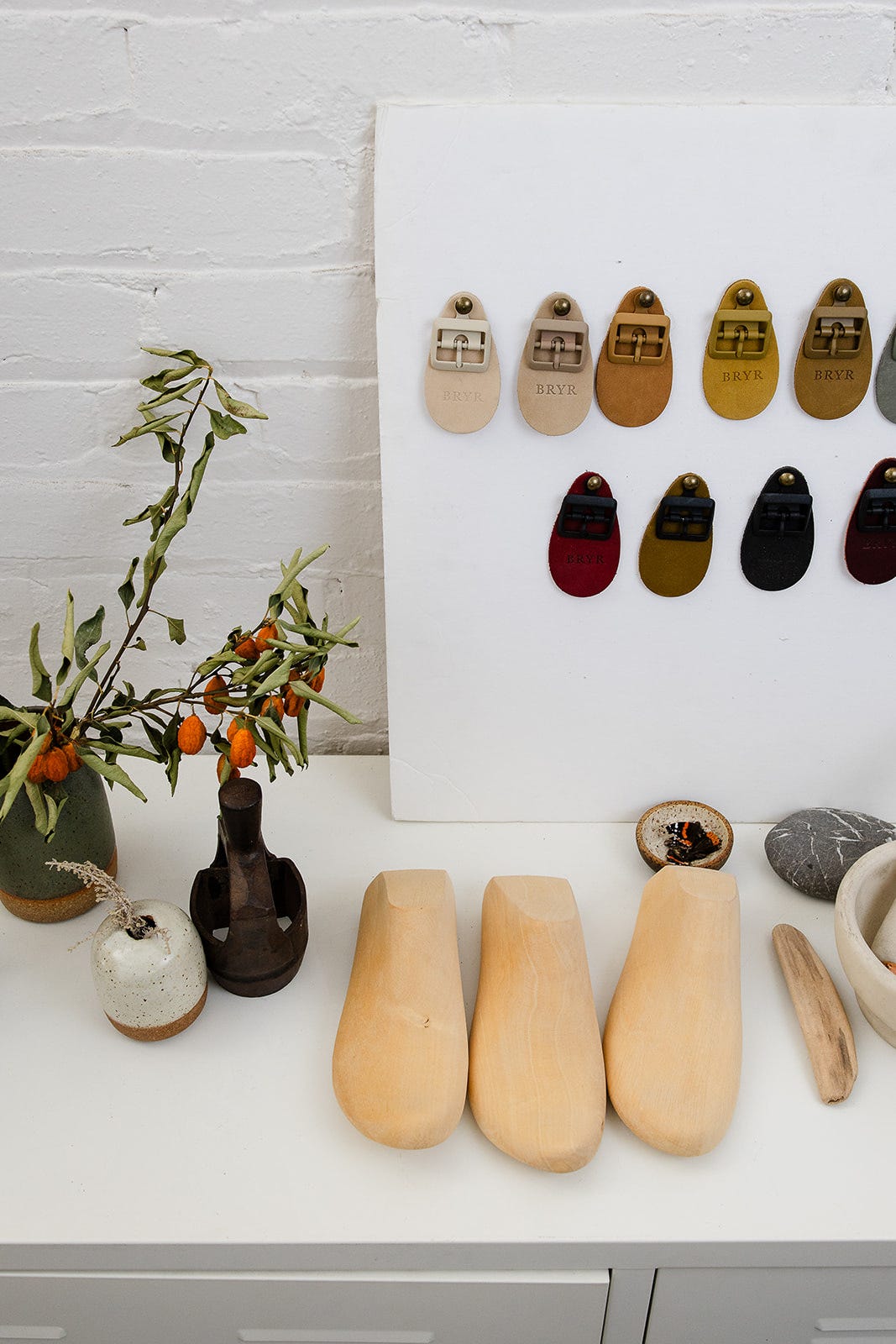
Early on, I also took a course at the Renaissance Business Center, which I recommend to every small business owner. It’s funded by the city, 6 weeks long, costs $500, and walks you through building financials and a full business plan. At that point, I’d been running Bryr out of my front room for a year was at full capacity. The course helped me understand how the numbers might work, but more importantly, it gave me the courage to take the next big step, signing a lease.
Then this small space in Dogpatch came up, right on 3rd. It was perfect. The landlord was amazing, supportive of keeping the building open for manufacturers and artisans, and the space just felt right.
Fast forward 5 years, and we’re in the middle of a global pandemic. During lockdown, I’d been keeping an eye on the corner space where we are now. It had been empty for a while, and when it became available, the landlord was once again supportive. His father had owned a clog business, which felt like fate.
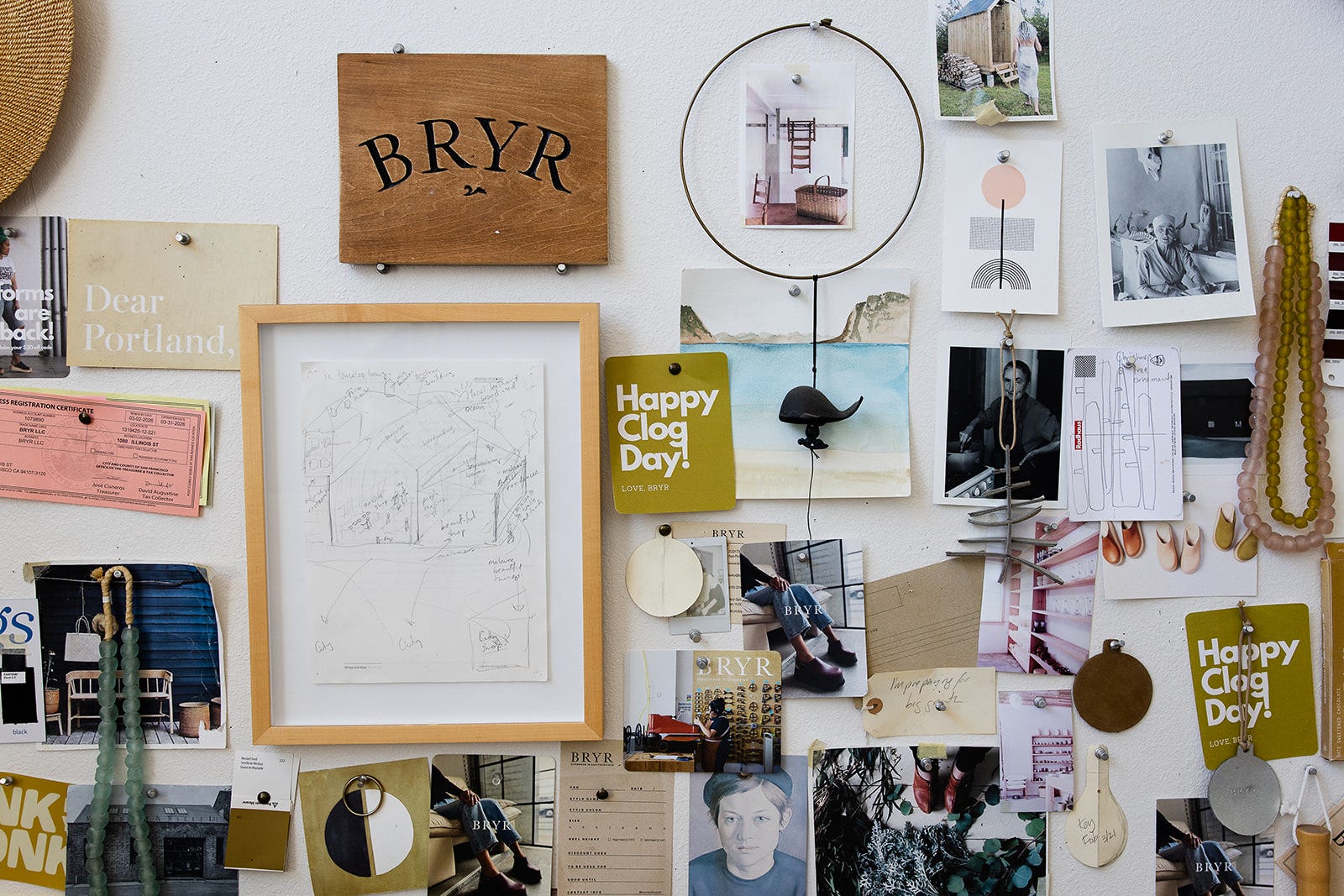
From the very beginning, I had a vision for the space. I even did some early coaching where one of the exercises was to sketch your business exactly, layout, windows, everything. I still have that drawing, framed in my office. Crazy enough, it looks exactly like the space I have now. Same layout. Same windows. Exactly.
Early on in the business, I took a course and got really clear on my values, what I wanted my life and my business to feel like, how I wanted to work, what I wanted to make, and just as importantly, what I didn’t want.
Before that, I was constantly in reaction mode. Opportunities would come along, and I’d think, Should I do this? Is this the thing? It’s easy to get pulled in every direction when you don’t have a clear internal compass.
Then one day, I got an email from Madewell.
I ended up on a call with one of their buyers. They told me they loved the work and wanted to do an in-store collaboration. They were talking about buying hundreds of pairs. It was flattering. It was exciting. It was the kind of moment most people imagine you’re supposed to say yes to without hesitation.
I hung up the phone and just sat there in my car.
And within about 10 minutes, I knew.
Not because it wasn’t a good opportunity. It was. It could have meant more visibility, more revenue, more growth. But it wasn’t aligned with the kind of business I wanted to build and ultimately it would have taken my energy away from building my own dreams. Working with Madewell might be someone’s dream, but it wasn’t mine.
So I said no.
That moment was incredibly clarifying. It showed me the real power of defining your values early. Because when something big comes along, something shiny and validating, you don’t have to spin or second-guess yourself. You can get excited, you can feel honored, and you can still know, calmly and confidently, whether it’s right.
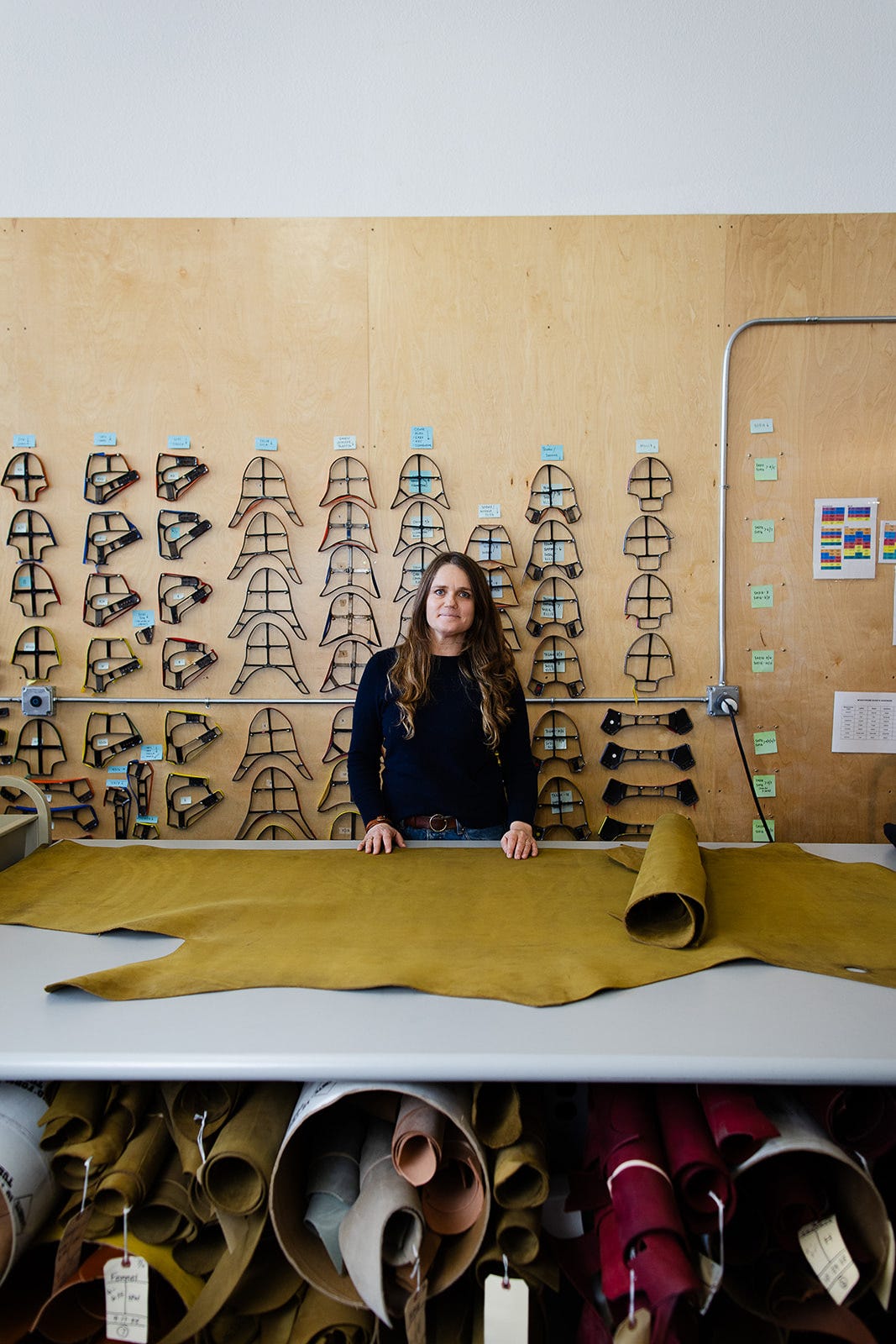
Most people assume success means scaling endlessly. More stores, more production, more everything. Don’t get me wrong I want world clog domination, but growth for the sake of growth isn’t the goal, building something thoughtful, sustainable and aligned with my values is.
A couple of weeks ago, I made the decision to close my retail store. After sharing the news with my team and posting it publicly, I felt a surprising sense of lightness. We built something meaningful in that space, and this decision allows me to redirect my energy in a way that’s more aligned with where the business is today. It feels freeing to let go once you know something has served its purpose.
We’ll keep production here, but instead of being open every day, we’ll open the space intentionally. We’ll host events. Gatherings. Evenings with wine, music, and people coming together. The space will continue to be alive, but in a way that feels purposeful.
I built this space during lockdown, believing retail would return to what it once was. But the world has changed, and people shop differently now. At the same time, our online business is growing quickly, so it became clear that’s where my energy is best spent.
I thought a lot about that drawing I made years ago, the one that’s still framed in my office. For so long, it represented something I hoped I might reach someday. And then I realized: I did it. I built it. Dreams aren’t static. What I want now is a sustainable business that supports our lives, gives us creative freedom, and leaves room for what’s next. That sketch reminded me that it’s ok to evolve. There doesn’t have to be just one big dream in your life.
One of the things I wrote in my original business plan is: when you come to San Francisco, you come to Bryr.
That wasn’t just a line. It was a belief. From the beginning, I didn’t want Bryr to exist anywhere and everywhere. I wanted it to belong to a place. Because Bryr was never created in isolation. It was shaped by the women here.
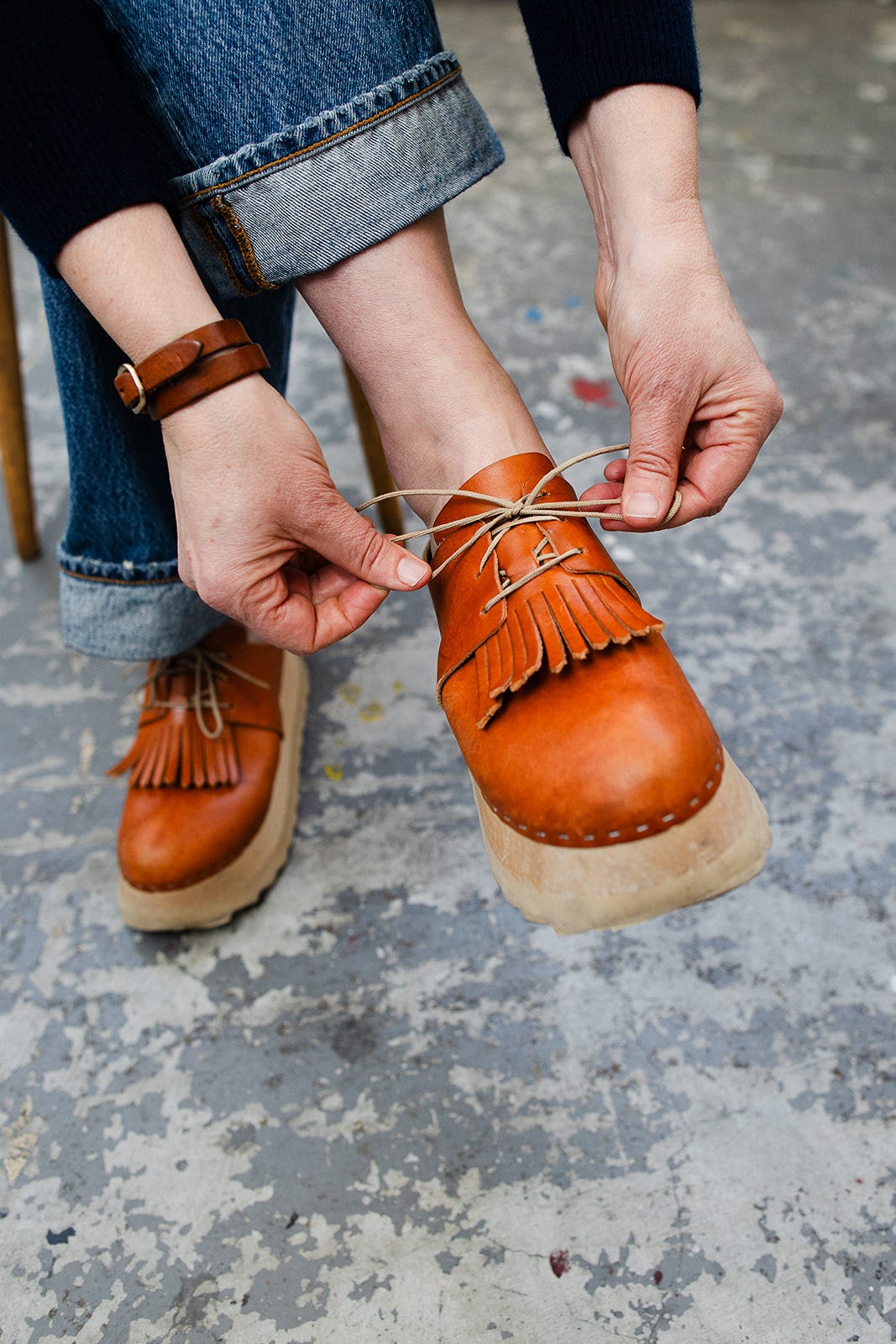
The shoes we make are the shoes San Francisco women wear. Women who are thoughtful about what they buy. Women who value craft and design. Women who are creative, intellectual, and comfortable with themselves. There’s a kind of quiet confidence here, a smartness, not just intellectually, but aesthetically. It’s understated, but intentional. Artistic, but grounded.
That sensibility informs everything.
When I picture our customer, I’m picturing a San Francisco woman. She might be an art director at a museum, or a doctor, or an architect. She’s sophisticated, but not showy. She cares about quality. In many ways, I’m just describing my circle of friends. The women around me. The women who shaped my understanding of what felt beautiful and true to themselves.
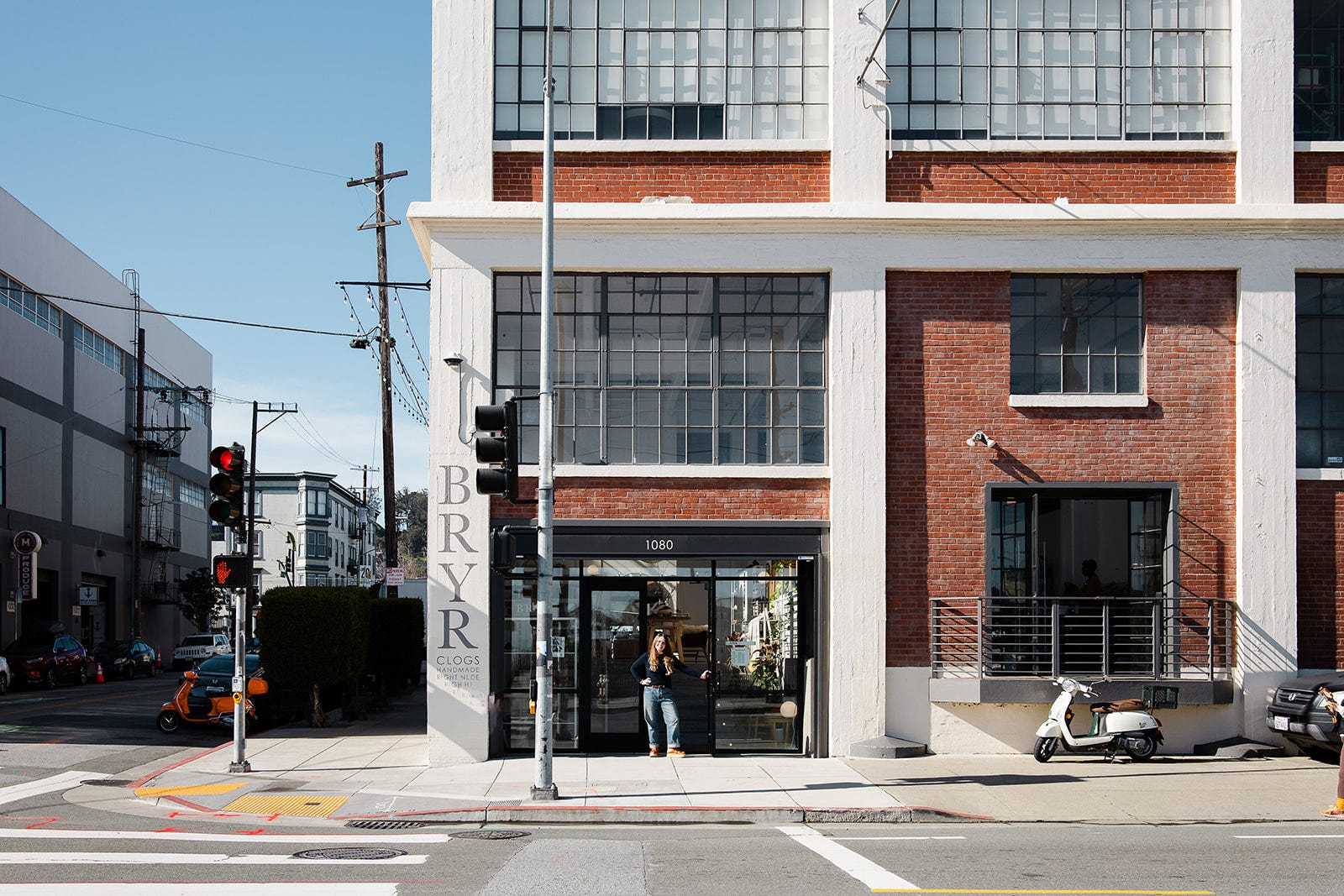
That’s why it matters that Bryr is here.
If we were based in Portland, it would feel different. In Los Angeles, it would feel different. Every city carries its own energy, its own values, its own visual language. And whether you realize it or not, that environment seeps into your work. It influences your decisions, your taste, and your point of view.
San Francisco is part of Bryr’s DNA.
Isobel Schofield, Bryr Studio
This piece was edited for clarity and flow.
Photography by Lila Gray Photography